Address
107 NW Broadway
St. Keota, OK 74941
Work Hours
Monday to Friday: 9AM - 4PM
Weekend: CLOSED
Address
107 NW Broadway
St. Keota, OK 74941
Work Hours
Monday to Friday: 9AM - 4PM
Weekend: CLOSED
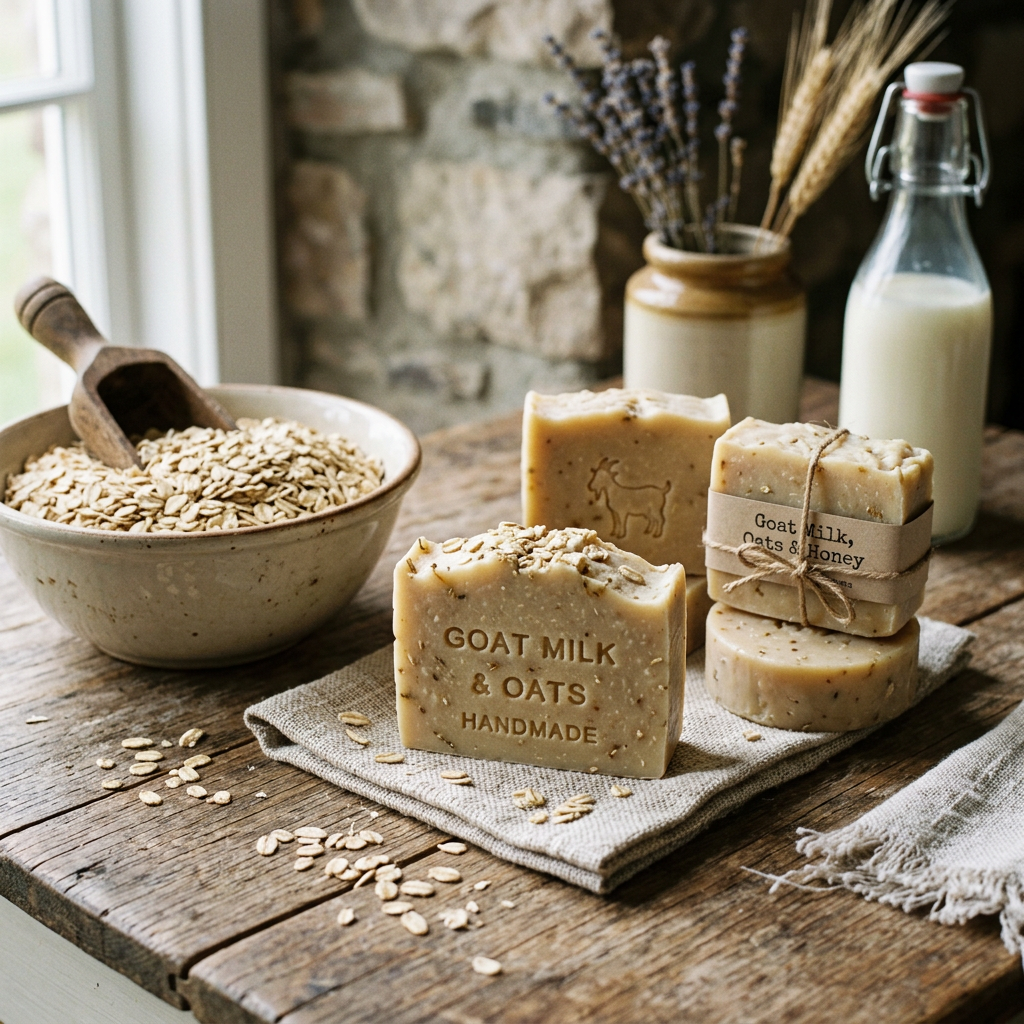
You’ve likely noticed a quiet revolution in skincare especially in mountain towns, coastal communities, and eco-conscious cities—where more people are swapping out synthetic washes for something far simpler: goat milk soap. But this isn’t just a rustic throwback; it’s a molecular marvel rooted in natural chemistry. Unlike conventional soaps that can disrupt your skin’s delicate barrier, goat milk soap aligns with your skin on a biochemical level, making it ideal for sensitive, dry, or reactive complexions.
What sets it apart? The answer lies in its naturally rich composition. Goat milk contains alpha-hydroxy acids (AHAs) like lactic acid, which gently exfoliate dead skin cells while supporting cellular turnover without the irritation often seen with lab-made alternatives. It’s also loaded with medium-chain fatty acids, including capric and caprylic acid, known for reinforcing the skin’s lipid barrier and locking in moisture. These components work in harmony to maintain a skin-friendly pH, typically between 5.5 and 6.5, helping to preserve the acid mantle that guards against environmental aggressors.
For those battling dryness, redness, or seasonal flare-ups especially in arid highlands or temperature-variable regions this natural balance means less stripping, less irritation, and more resilience. Whether you’re exploring clean skincare swaps or seeking relief from chronic dryness, understanding the science behind goat milk soap is the first step toward smarter, more effective routines.
Goat milk isn’t just a gentle alternative it’s a powerhouse of naturally occurring nutrients that work in harmony with your skin’s biology to deliver real, visible benefits. When incorporated into skincare, especially in handmade soaps, its rich composition supports a resilient moisture barrier, making it ideal for dry, sensitive, or eczema-prone skin types commonly seen in high-altitude or low-humidity climates.
At the core of its effectiveness are three key nutrient groups: fatty acids, vitamins, and proteins.
Unlike lab-engineered formulas, goat milk provides these nutrients in a bioavailable form, meaning skin absorbs them more efficiently. Look for soaps made with minimal processing to preserve these delicate compounds. For best results, pair with non-comedogenic oils like olive or shea butter in your skincare routine to amplify moisture without clogging pores.
Understanding the connection between skincare and skin health starts with one crucial factor: pH balance. Human skin naturally maintains a slightly acidic pH typically between 4.5 and 5.5 which forms a protective layer known as the acid mantle. This barrier defends against environmental pollutants, harmful bacteria, and moisture loss. Many commercial soaps, however, are alkaline-based, often registering pH levels above 9, which can disrupt this delicate balance and lead to dryness, irritation, and increased sensitivity.
Goat milk stands apart because of its naturally balanced pH, closely aligning with that of human skin. When used in soap-making, this compatibility helps preserve the skin’s natural defenses rather than stripping them away. Unlike mass-produced cleansers filled with synthetic detergents and sulfates, goat milk soap gently cleanses while maintaining optimal skin harmony making it especially effective for those managing conditions like eczema, rosacea, or seasonal dryness common in high-altitude regions such as mountain towns.
For consumers in both urban and rural settings seeking cleaner routines, choosing a pH-balanced, naturally derived soap supports long-term skin resilience. Look for products that retain goat milk’s raw benefits through cold-processing methods and avoid alkali spikes during formulation. By prioritizing natural pH alignment, users can reduce redness, retain hydration, and enhance overall skin comfort—regardless of climate or skin type.
Understanding how goat milk supports skin hydration starts with its unique fat composition—specifically, the triglycerides and fatty acid profile that work to combat dryness and strengthen sensitive skin barriers.
Pro Tip: Store your soap on a draining rack to prolong its life and maintain its creamy lather, ensuring every use delivers optimal hydration.
Goat milk isn’t just a moisturizing marvel it’s a natural exfoliation powerhouse, thanks to its rich concentration of enzymes and alpha-hydroxy acids (AHAs) like lactic acid. These components work in harmony to promote cellular renewal without the harsh scrubbing or irritation often associated with synthetic exfoliants. Lactic acid, a well-known AHA, gently dissolves the bonds between dead skin cells, encouraging smoother turnover and revealing a brighter, more even complexion over time.
What sets goat milk apart is its innate balance: the enzymes help break down dull surface cells while the milk’s natural fats simultaneously hydrate and protect the skin barrier. This dual-action makes it ideal for sensitive, dry, or acne-prone skin types especially in climates where cold mountain air or urban pollution contribute to dullness and flakiness.
For those seeking a chemical-free alternative to traditional peels or gritty scrubs, products infused with fresh goat milk offer a gentler path to clarity. Unlike abrasive exfoliants that can cause micro-tears, the enzymatic action in goat milk works at a molecular level, making it safer for daily use.
To maximize results:
Whether you’re in a high-altitude retreat or a humid coastal town, embracing natural exfoliation through goat milk supports healthier, more resilient skin—all while honoring clean, sustainable practices.
Is goat milk soap safe for daily use on sensitive skin?
Yes, goat milk soap is generally safe for daily use, particularly for those with sensitive, dry, or reactive skin. Its naturally occurring pH closely matches the skin’s acid mantle, helping to maintain protective barrier function without stripping natural oils. This makes it a gentler alternative to commercial soaps that often contain drying sulfates or synthetic additives.
Does goat milk soap have a strong or unpleasant smell?
Fresh goat milk has a mild, slightly sweet aroma that typically fades during the soap-making process. Most artisanal goat milk soaps carry a clean, neutral scent, often enhanced with essential oils like lavender, eucalyptus, or citrus for a refreshing experience without artificial fragrances that can trigger sensitivities.
How effective is goat milk soap at cleansing without drying?
Thanks to its high content of fatty acids, triglycerides, and natural emollients, goat milk soap cleanses deeply while retaining moisture. The creamy lather gently removes dirt and impurities without compromising the skin’s lipid barrier, making it ideal for dry climates like those found in mountain towns or during harsh winter months.
Can goat milk soap help with acne or oily skin?
Yes—despite its rich composition, goat milk contains alpha-hydroxy acids (AHAs) such as lactic acid, which exfoliate dead skin cells and help prevent clogged pores. When formulated with non-comedogenic oils, it balances hydration and clarity, supporting healthier skin texture over time.
Is it suitable for babies, elders, or those with eczema?
Absolutely. Its anti-inflammatory properties and skin-soothing proteins make goat milk soap a trusted choice for eczema-prone, mature, or delicate skin. Many families across rural and urban areas use it as part of a gentle skincare routine for all ages. Always patch-test first and introduce slowly.
Making the switch to goat milk soap isn’t just a short-term fix it’s a commitment to lasting skin health and mindful ingredient choices. Formulated with naturally occurring fatty acids, vitamins, and pH-balancing properties, goat milk supports the skin’s microbiome and strengthens its natural barrier over time. This translates to fewer flare-ups, improved moisture retention, and reduced dependency on synthetic-laden products that often do more harm than good. For those in dry mountain climates or humid coastal areas, the hydrating and anti-inflammatory benefits offer consistent relief from environmental stressors.
When you prioritize clean formulations, you also reduce exposure to sulfates, parabens, and artificial fragrances common culprits behind sensitivity and breakouts. Instead, choose soaps made with minimal, recognizable ingredients like raw goat milk, shea butter, and plant-based oils. These naturally derived components work in harmony with your skin, not against it.
Transitioning to cleaner skincare isn’t about perfection it’s about progress. By embracing simpler, more intentional routines, you invest in healthier skin and a more sustainable self-care journey. Begin today and feel the difference nature can make.

